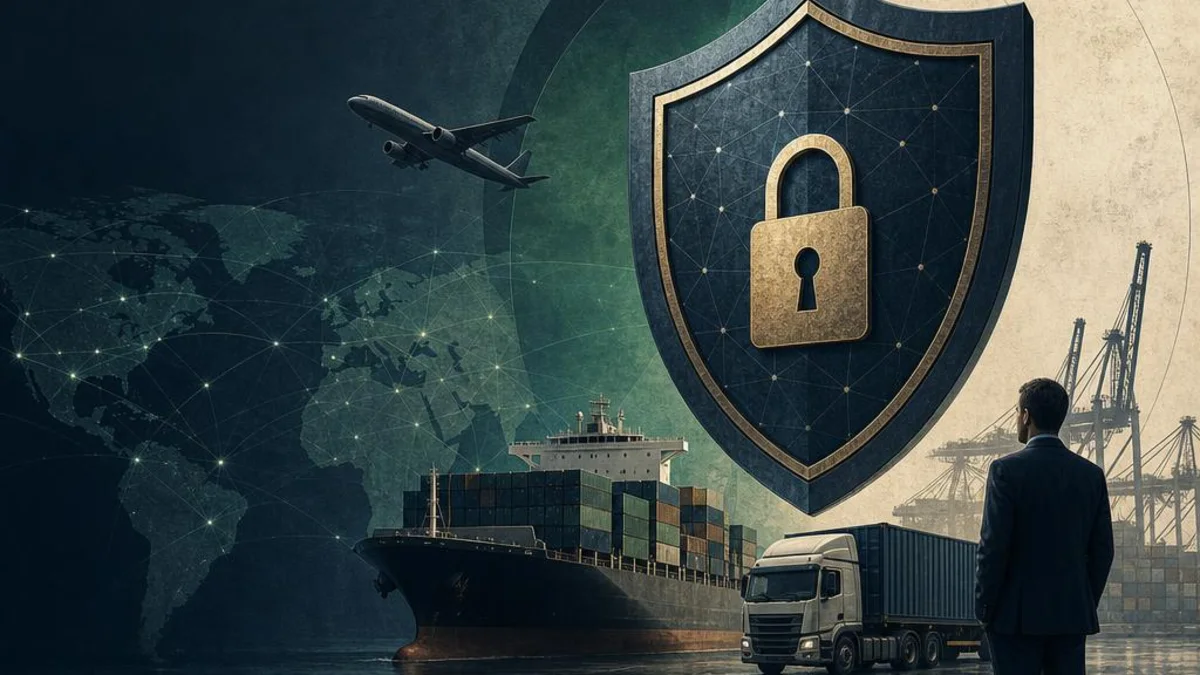
In today's interconnected world, the supply chain stands as the lifeline of commerce — the intricate web linking manufacturers, suppliers, distributors, and retailers. But that interconnectedness carries risk, particularly in cybersecurity. As supply chains become increasingly digitized and reliant on technology, they become more vulnerable to cyber threats, making their defense a strategic imperative.
Why it matters
The significance of supply chain cybersecurity cannot be overstated. A single breach can cascade through the network — disrupting operations, compromising sensitive data, and eroding consumer trust. An attack on a major retailer's supply chain can trigger product shortages and financial losses, and in sectors such as healthcare and defense, where supply chains deliver critical products and services, the stakes are higher still.
The challenges
Securing the supply chain is difficult precisely because of its complexity and interconnected nature. Traditional approaches that fortify individual entities fall short when numerous stakeholders each bring their own systems and vulnerabilities, and the global scope adds geopolitical and regulatory complexity. Growing reliance on third-party vendors expands the attack surface, since each partner is a potential entry point. Meanwhile, attacks have grown more sophisticated — including supply chain poisoning, where malicious code is injected into legitimate software or hardware — and the proliferation of often poorly secured IoT devices introduces new weaknesses.
Strategies for resilience
- Risk assessment and management. Map the supply chain, understand dependencies, and evaluate the potential impact of incidents to prioritize mitigation.
- Security by design. Build security into processes and technologies from the outset, using secure coding, encryption, and access controls.
- Vendor management. Vet third parties rigorously, assess their compliance with standards, and embed security requirements into contracts and service-level agreements.
- Continuous monitoring. Deploy intrusion detection, SIEM tools, and endpoint protection to spot anomalous behavior and breaches in real time.
- Incident response and contingency planning. Develop and regularly test response plans, with clear communication and escalation procedures across stakeholders.
- Awareness and training. Cultivate a culture of cybersecurity, training employees on best practices, phishing awareness, and incident reporting.
- Collaboration and information sharing. Share threat intelligence with partners, industry peers, and ISACs to strengthen collective resilience against emerging threats.
Conclusion
In an era defined by digital transformation, securing the supply chain against cyber threats is paramount. The complexity and interdependencies involved demand a collaborative, proactive approach. By implementing robust measures, fostering awareness, and forging partnerships across the ecosystem, organizations can mitigate risk and safeguard the integrity and resilience of their supply chains. As threats evolve, vigilance and adaptability will remain essential.
Sources and further reading
Written by
John Delgado III
Founder & Managing Partner, SearchPath Executive Search
Founder of SearchPath Executive Search with more than 27 years recruiting leadership across global logistics and supply chain, with executive searches completed on five continents.
More about JohnContinue reading



Building your leadership team?
SearchPath places the sales, branch, and operational leaders who turn strategy into results across transportation, logistics, and supply chain. Let's talk about the roles you're trying to fill.