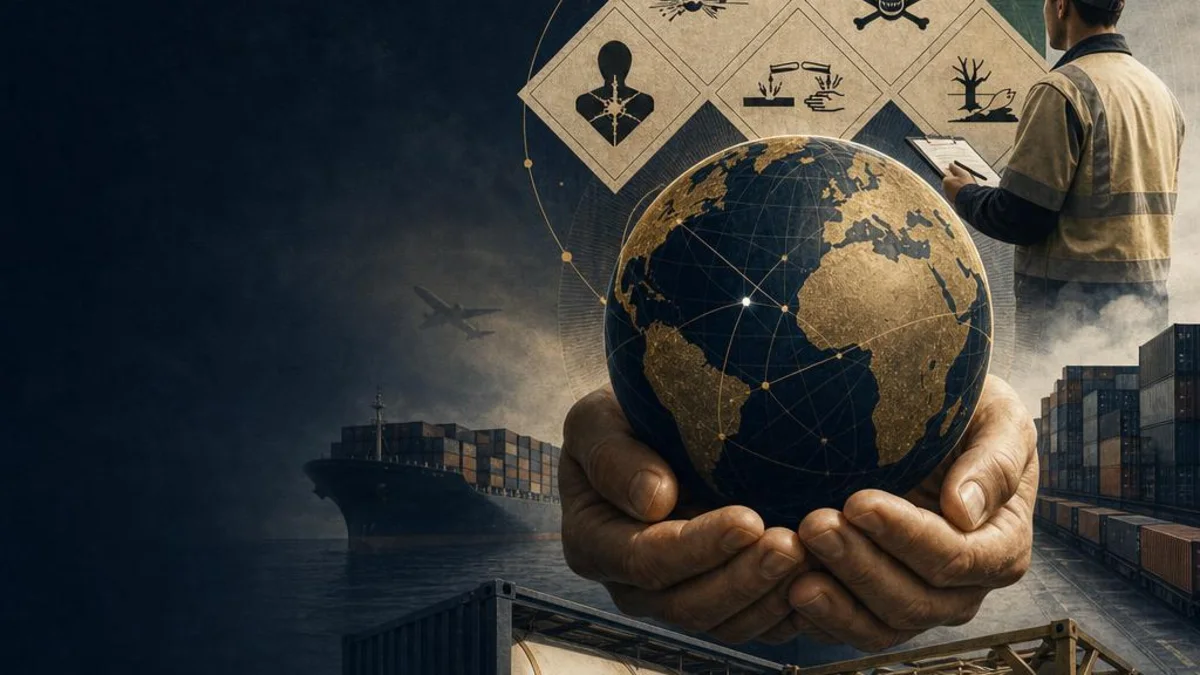
In the expansive realm of global commerce, the transportation and handling of hazardous goods and dangerous materials is a critical yet complex component of supply chain management. Ranging from flammable chemicals to radioactive materials, these substances pose inherent risks to human health, safety, and the environment if not managed with diligence and strict adherence to regulation.
Understanding hazardous goods
Hazardous goods encompass a broad spectrum of substances capable of harming people or the environment, classified by their physical, chemical, and biological properties. Common categories include flammable liquids and gases such as gasoline and propane; toxic substances such as pesticides and radioactive materials; corrosive materials such as acids and alkalis; and explosives such as fireworks and ammunition. Accurate classification is crucial — it determines the correct packaging, labeling, handling procedures, and transport modes.
The risks
- Safety risks. Improper handling or storage can cause accidents, fires, explosions, or chemical releases that endanger personnel, communities, and the environment.
- Regulatory compliance. Non-compliance with national and international regulations can result in fines, legal liability, and reputational damage.
- Environmental impact. Spills or leaks can contaminate soil, water, and air, causing long-term damage and necessitating costly cleanup.
- Supply chain disruption. Incidents can halt operations, leading to delays, inventory losses, and financial repercussions.
The regulatory frameworks
Transport and handling are governed by stringent regulation at national and international levels. The UN Model Regulations on the Transport of Dangerous Goods serve as the basis for many national and international rules. The IMDG Code regulates transport by sea, IATA regulations govern transport by air, and the ADR agreement applies to road transport within Europe. On top of these, each country maintains its own regulations that organizations must follow within their jurisdictions.
Challenges and best practices
Managing hazardous goods is demanding: classification requires specialized expertise, compliance spans diverse jurisdictions, risk assessment is resource-intensive, and emergency preparedness must be continuously maintained. Organizations meet these challenges by taking a risk-based approach grounded in thorough assessment; training personnel on safety protocols and compliance; ensuring proper UN-approved packaging and hazard labeling; maintaining accurate documentation, including safety data sheets and emergency response information; and fostering close collaboration with suppliers, carriers, and regulators. Industries from chemicals to oil and gas increasingly apply real-time monitoring technology and specialized training to raise safety further.
Conclusion
Hazardous goods constitute a critical yet challenging aspect of global supply chain management. Effective management requires adherence to stringent regulatory frameworks, comprehensive risk assessment, and robust mitigation. By prioritizing safety, compliance, and proactive risk management — and by leveraging technological advances — organizations can navigate the complexities of hazardous materials while safeguarding personnel, communities, and the environment.
Sources and further reading
Written by
John Delgado III
Founder & Managing Partner, SearchPath Executive Search
Founder of SearchPath Executive Search with more than 27 years recruiting leadership across global logistics and supply chain, with executive searches completed on five continents.
More about JohnContinue reading



Building your leadership team?
SearchPath places the sales, branch, and operational leaders who turn strategy into results across transportation, logistics, and supply chain. Let's talk about the roles you're trying to fill.